
ADAS Windscreen Calibration Service Tauranga BOP for Private & Commercial Vehicles
HQ Windscreens Tauranga arranges ADAS windscreen calibration through a specialist calibration partner, covering both static and dynamic calibration for private and commercial vehicles across the Bay of Plenty. In some cases a combination of both methods is required, depending on the vehicle manufacturer's requirements. Calibration is usually needed after a windscreen replacement on any vehicle with a camera mounted behind the glass, and it's included in your replacement quote. ADAS calibration is one part of our full windscreen repair Tauranga service.
Static calibration is performed in a controlled workshop environment using targets set at precise distances and angles, while dynamic calibration involves driving the vehicle on roads like State Highway 2 or the Tauranga Eastern Link at a set speed range so the system can recalibrate itself against real lane markings and traffic. Getting the calibration method wrong creates real safety risks, so as a certified, locally based team we handle insurance claims, provide prompt service across Tauranga and the wider Bay of Plenty, and back every job with a lifetime workmanship guarantee.
Request a Free Quote
We reply fast. No call-out fees, no hidden costs.
Calibration Types
Types of ADAS Windscreen Calibration Services
ADAS calibration falls into several distinct methods, and the right one depends on your vehicle's make, model, and the systems it uses. Certified technicians use manufacturer-specified procedures to ensure cameras and sensors are accurately realigned after a windscreen replacement.
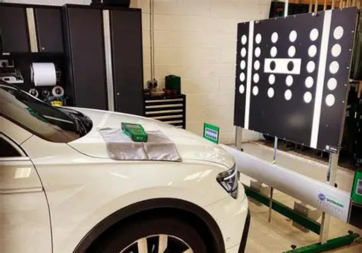
Static Calibration for Workshop Settings
Static calibration is performed in a controlled environment using specialist target boards and diagnostic equipment while the vehicle remains stationary. A calibration target is positioned at a precise distance and angle in front of the vehicle, then diagnostic software connects to the vehicle's ECU to verify sensor alignment. The process typically takes 45 to 90 minutes, depending on the vehicle. Static calibration is required for many modern vehicles, including most Toyota, Mazda, and Ford models sold in New Zealand, and it demands a flat, controlled floor space with specific lighting conditions, which our calibration partner provides.
Dynamic Calibration on Tauranga Roads
Dynamic calibration requires the vehicle to be driven at a set speed, typically 30 to 80 km/h, while the system self-calibrates using real-world lane markings and road data. Tauranga's roading network, including stretches along Cameron Road, State Highway 2, and the Te Maunga corridor, provides appropriate conditions for this process. The driver must maintain a consistent speed and follow a defined route without sharp turns or stops. Some vehicles, such as certain Honda and Subaru models, require dynamic calibration as the sole method, and we perform these drives locally using routes that consistently meet manufacturer requirements.
Combined Methods
Combined Calibration Methods
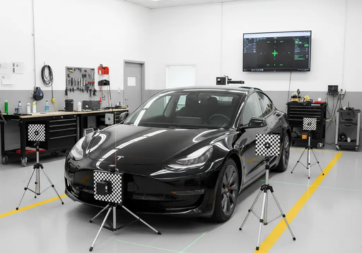
Some vehicles require both static and dynamic calibration to fully reset their ADAS systems. This is common in vehicles with multiple forward-facing cameras, radar units, or lane-keeping assist combined with adaptive cruise control. Models from Volkswagen Group brands, Mercedes-Benz, and BMW frequently require this combined approach. Skipping either stage can leave safety systems partially miscalibrated, which may not trigger a dashboard warning but can still affect system performance. We carry the diagnostic tools needed to complete both stages in a single visit where road conditions allow, reducing turnaround time for our Tauranga customers.
OEM Standards
OEM-Specific Calibration Technologies
OEM calibration means following the exact procedures specified by the vehicle's manufacturer rather than generic aftermarket methods. Our calibration partner uses OEM-quality tools and manufacturer-approved procedures to meet the standards set by each brand, which matters for warranty compliance and for ensuring systems like automatic emergency braking and lane departure warning perform as designed.
| Brand | Calibration System | Type Required |
|---|---|---|
| Toyota / Lexus | Toyota Safety Sense | Static or Combined |
| Subaru | EyeSight | Dynamic |
| Ford | Co-Pilot360 | Static |
| Honda | Honda Sensing | Dynamic or Combined |
Why Tauranga's Climate and Road Network Matter
Tauranga sits within one of New Zealand's most active transport corridors. State Highway 2 and State Highway 29 handle significant freight and commuter traffic connecting the Port of Tauranga, New Zealand's largest export port, to the Waikato and beyond. Lane-keeping assist and forward collision warning systems rely on cameras calibrated to detect markings that may be worn or inconsistent on older rural roads, and the Bay of Plenty's high UV index and temperature swings can affect windscreen adhesives and sensor housings over time. Any physical shift in a camera mount, however minor, can cause ADAS sensors to misread distances, speeds, or lane positions, so we account for these environmental factors on every calibration.
Standards, Safety and Insurance
In New Zealand, ADAS calibration must align with vehicle manufacturer specifications and is subject to the Land Transport Act 1998. While calibration itself is not a standalone WoF check item, inaccurate ADAS can contribute to a WoF failure if it affects required safety functions. Incorrect calibration creates measurable risk, because sensors that misjudge distance by even a small margin can cause automatic emergency braking to trigger late or not at all, which matters on higher-traffic areas like Cameron Road or The Strand. Some insurers may question claims where ADAS failure contributed to an incident and calibration records are absent, so documentation is provided for every completed calibration to support your records.
Questions
ADAS Calibration FAQs
Who does the calibration, and is it included in my quote?
We arrange ADAS calibration with a specialist calibration partner, and it's included in your windscreen replacement quote, so there's nothing extra for you to organise or pay.
Which driver-assistance features commonly require recalibration after a windscreen replacement?
The most common systems requiring recalibration include forward-facing cameras, radar-based sensors, and infrared systems tied to features like lane departure warning, autonomous emergency braking, adaptive cruise control, traffic sign recognition, and automatic high-beam control. Many vehicles also display ADAS-related warning lights on the dashboard after a windscreen replacement, which is a direct indicator that recalibration is required. If you're unsure, give us your rego and we'll check with our calibration partner which systems your vehicle has before the job.
What is the difference between static and dynamic ADAS calibration?
Static calibration is performed in a controlled indoor environment, with the vehicle parked on a level surface while technicians use manufacturer-specific target boards positioned at precise distances to realign sensors and cameras to OEM specifications. Dynamic calibration requires driving the vehicle at a set speed, typically 30 to 80 km/h, on roads with clear lane markings so onboard systems can self-calibrate using real-world visual data. Some vehicles need both methods completed in sequence.
How long does a typical calibration appointment take?
A standard ADAS calibration typically takes 45 to 90 minutes, depending on the vehicle and calibration type required. Static-only calibrations are generally faster, while combined static and dynamic processes take longer because of the required road test component. Weather, multiple ADAS systems, pre-existing faults, and traffic conditions can all extend appointment time.
What local driving and environmental factors in the Bay of Plenty affect camera and radar sensor performance?
Tauranga averages around 2,200 sunshine hours a year, so coastal glare puts consistent demand on forward-facing cameras managing automatic high-beam and lane-keeping systems. The region also averages around 1,200 mm of rainfall annually, and wet roads can affect how well a dynamically calibrated camera reads lane data. High-traffic routes like State Highway 29, Cameron Road, and the Tauranga Eastern Link add varied lighting and road curvature into the mix.
What are the risks of skipping calibration after a windscreen replacement?
Skipping calibration means the vehicle's ADAS systems operate on misaligned data. A forward-facing camera off by even a small angular margin can cause lane departure warnings to misfire, and for AEB systems, miscalibration can delay or prevent automatic braking, increasing stopping distance in an emergency. It can also affect WoF compliance and insurance liability if a safety feature is shown to have failed after improper post-replacement servicing.
What quality assurance steps happen before and after calibration?
Before calibration, our partner runs a full diagnostic scan, confirms the new windscreen is correctly seated and bonded, and checks tyre pressure and suspension geometry. During calibration they use manufacturer-specific target equipment and, where required, a dynamic road test. Afterward, they run a second diagnostic scan to confirm fault codes are cleared, complete a test drive validation, and provide documentation of the method used, equipment reference, and technician sign-off.
Related Services
More Ways We Help Tauranga Drivers
Windscreen Replacement
New windscreens fitted on-site, with calibration arranged for camera-equipped vehicles.
Windscreen Chip & Crack Repair
Fast resin repairs and full replacements across Tauranga.
Commercial Vehicle Windscreen Repairs
Mobile glass repair for vans, utes and light commercial fleets.
Truck Windscreen Replacement
Heavy vehicle windscreen replacement for transport operators.
Find Us in Papamoa
Ready to get your windscreen sorted?
Call now, book online or request a free quote. Mobile service across Tauranga and the Bay of Plenty, appointments usually within a day or two.