
Mobile Bus Windscreen Replacement Tauranga BOP, Private & Commercial
HQ Windscreens Tauranga brings experience since 2016 to heavy vehicle glass care, offering expert mobile bus windscreen replacement and repair services across Tauranga and the Bay of Plenty. Full-size coaches, school buses, minibuses, and urban transit vehicles each require specific glass profiles and complex curvatures, so replacement is never a one-size-fits-all job. Bus windscreen replacement is one part of our full windscreen repair Tauranga service.
Bus windscreen replacement requires specialized equipment and technical precision. For modern buses equipped with ADAS features, such as forward-collision warning cameras or lane-departure sensors, we arrange recalibration with our specialist partner, using calibration targets and diagnostic scan tools to reset your safety systems after the new glass is fitted. A cracked or damaged bus windscreen is a critical safety and compliance issue that demands a fast turnaround, certified workmanship, and high-quality materials, and we cover the full range of bus windscreen services, from OEM-quality glass supply through to expert mobile installation on-site.
Request a Free Quote
We reply fast. No call-out fees, no hidden costs.
Glass Options
Standard and Custom Bus Windscreen Replacements
Standard replacements cover direct OEM-matched windscreens for common bus models. Custom replacements apply to older coaches, imported vehicles, or specialty fleet units where glass must be cut or sourced to match non-standard dimensions. We supply and fit:
- Flat laminated windscreens, common on older and larger coaches
- Curved single-piece windscreens, used on modern low-floor urban buses
- Split and divided windscreens, found on heritage and imported fleet vehicles
- Bonded fixed-glass panels, side and roof glazing for passenger visibility
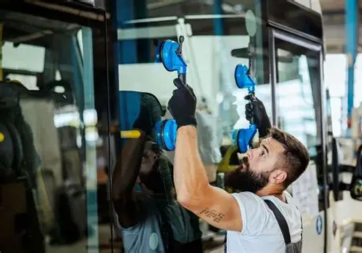
Fitting Technology
Technologies Used in Modern Bus Glass Fitting
Modern buses increasingly feature ADAS, including forward-facing cameras and sensors mounted to or near the windscreen. After any windscreen replacement on an ADAS-equipped bus, recalibration is required, and we arrange that step with our specialist calibration partner.
| Technology | Purpose |
|---|---|
| Polyurethane adhesive bonding | Structural hold and water sealing |
| ADAS camera recalibration | Restores sensor accuracy post-replacement |
| Moisture and UV-resistant primers | Extends seal lifespan in coastal BOP conditions |
| Torque-controlled fastening | Correct pressure on framed windscreen units |
All bus windscreen replacements in New Zealand must comply with NZTA (Waka Kotahi) vehicle inspection standards and NZS 5465 relating to glazing materials in motor vehicles. Laminated safety glass is mandatory for bus windscreens because it holds together on impact rather than shattering, which is critical for passenger protection on high-occupancy vehicles. We also provide documentation to support WOF and COF inspections, and insurance claim assistance is available to help streamline the process when damage is covered.
Unique Conditions of Bay of Plenty's Road Network
Tauranga sits at the heart of a regional road network that handles some of New Zealand's heaviest freight traffic. State Highway 2 and State Highway 29 are both major commercial corridors connecting the Port of Tauranga, New Zealand's largest port by cargo volume, to inland destinations. This creates a road environment with high concentrations of heavy vehicles, loose aggregate, and road debris, so bus windscreens traveling these routes face a higher risk of chipping and cracking than in lighter urban traffic zones. We operate across these routes daily and know which roads generate the most glass damage.
Environmental and Weather Considerations
Tauranga's climate sits in a warm, humid coastal zone, averaging around 2,300 sunshine hours per year, which accelerates UV degradation on sealants and bonding agents. Salt air from Tauranga Harbour and proximity to the coast also affect adhesive performance over time if substandard materials are used, so we use premium-grade urethane adhesives and materials rated for coastal New Zealand conditions. Seasonal rainfall, particularly during summer storm events, creates wet road spray that increases stone chip frequency, and our lifetime workmanship guarantee covers the installation against seal failure regardless of weather exposure.
Questions
Bus Windscreen Replacement FAQs
What types of buses do you replace windscreens on?
Buses in the Tauranga and BOP region range from small community shuttles to full-size intercity coaches operating along routes connecting Tauranga, Rotorua, Whakatane, and the Coromandel Peninsula. We supply and fit flat laminated windscreens, curved single-piece windscreens, split and divided windscreens, and bonded fixed-glass panels, covering full-size coaches, school buses, minibuses, and urban transit vehicles.
Do modern buses need ADAS recalibration after a windscreen replacement?
Yes. Modern buses increasingly feature ADAS, including forward-facing cameras and sensors mounted to or near the windscreen, and recalibration is required after any windscreen replacement. We arrange ADAS calibration with our specialist partner as part of the job, so you don't have to organise it yourself.
What standards do bus windscreen replacements need to meet in New Zealand?
All bus windscreen replacements in New Zealand must comply with NZTA (Waka Kotahi) vehicle inspection standards and NZS 5465 relating to glazing materials in motor vehicles. Laminated safety glass is mandatory for bus windscreens because it holds together on impact rather than shattering, which is critical for passenger protection on high-occupancy vehicles. We also provide documentation to support WOF and COF inspections.
Can you help fleet operators with insurance claims?
Yes, insurance claim assistance is available to help streamline the process when damage is covered, which is particularly relevant for fleet operators managing multiple vehicles under a single policy.
How does Tauranga's climate affect bus windscreen seals and adhesives?
Tauranga's climate sits in a warm, humid coastal zone, averaging around 2,300 sunshine hours per year, which accelerates UV degradation on sealants and bonding agents used in windscreen installation. Salt air from Tauranga Harbour and proximity to the coast can also affect adhesive performance over time if substandard materials are used, so we use premium-grade urethane adhesives and materials rated for coastal New Zealand conditions.
Related Services
More Ways We Help Tauranga Fleets
Find Us in Papamoa
Ready to get your windscreen sorted?
Call now, book online or request a free quote. Mobile service across Tauranga and the Bay of Plenty, appointments usually within a day or two.